
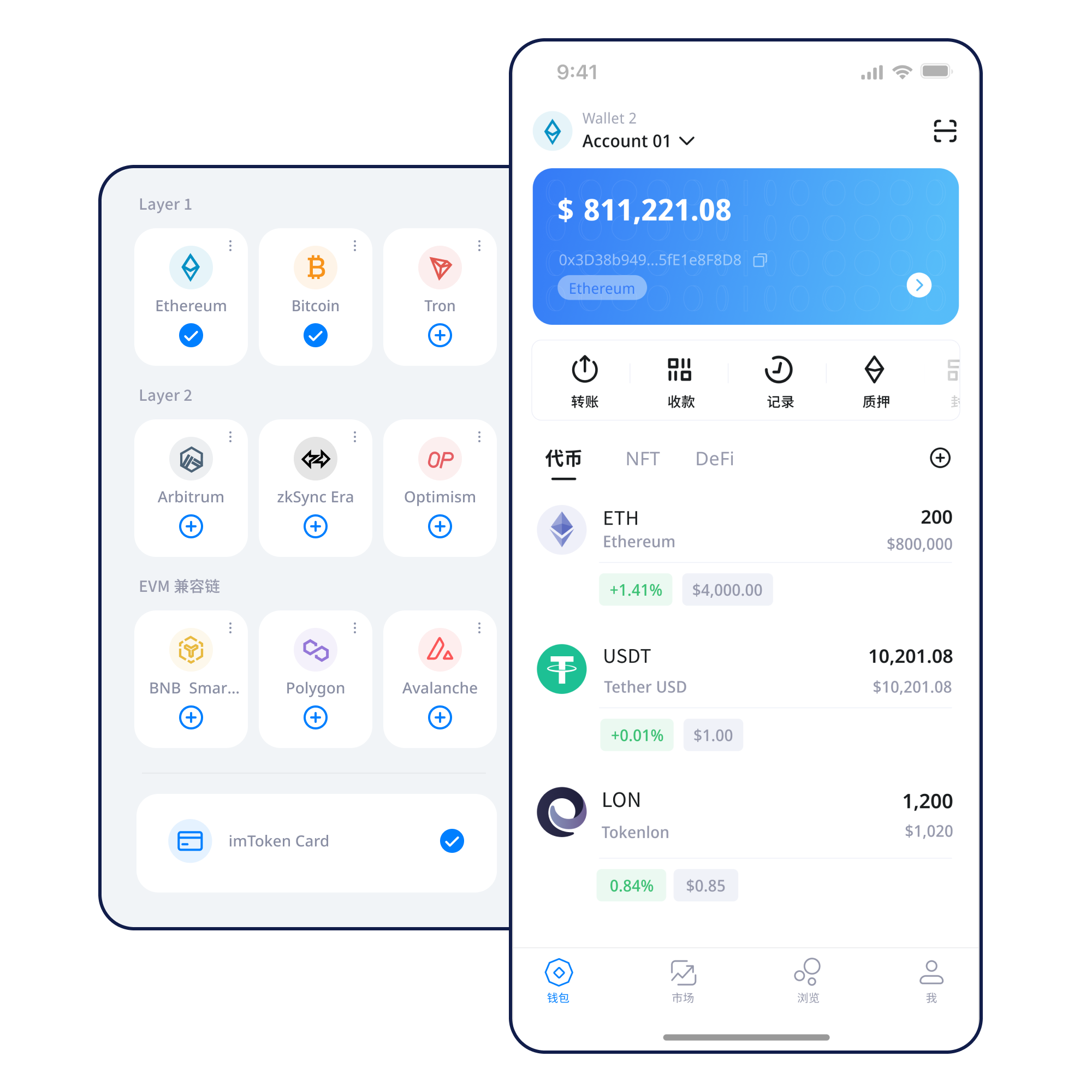
What the product capability covers
Understanding Wallet & Assets Overview is less about memorizing one button and more about building a reliable decision process. Treat multi-chain assets, addresses and network selection as connected pieces of the same action. A wallet interface can prepare a request, but the result is ultimately governed by the selected network, the data being signed and the state recorded on-chain. That distinction helps you evaluate what the wallet can show, what the network can prove and what still requires your own review.
In day-to-day use, addresses is often the first detail worth checking, while network selection determines the environment in which the action will be processed. sending and receiving should not be dismissed as an implementation detail; it may affect whether a transaction is accepted, how quickly it is confirmed and what evidence is available when troubleshooting. Whenever possible, compare interface information with verifiable network data instead of relying on a single screen.
When the outcome does not match your expectation, start with evidence that can be checked independently: the selected network, the complete address, whether a transaction hash exists and what a suitable block explorer reports. Repeating the same action without understanding the first result can create new problems. Never share a seed phrase, private key or verification code with anyone who claims they need it to fix a transaction.
Where it fits in real use
In day-to-day use, addresses is often the first detail worth checking, while network selection determines the environment in which the action will be processed. sending and receiving should not be dismissed as an implementation detail; it may affect whether a transaction is accepted, how quickly it is confirmed and what evidence is available when troubleshooting. Whenever possible, compare interface information with verifiable network data instead of relying on a single screen.
A practical routine for multi-chain assets is to confirm the target, verify the network, read the request and only then sign or submit. This is especially important around transaction history. A familiar name, a polished interface or a similar-looking domain does not prove that a contract address, approval target or network parameter is the one you intended to use. Each request deserves its own review.
Putting multi-chain assets and transaction history into one security framework creates a habit that transfers across wallets, networks and DApps. Before acting, be able to explain what you are trying to do. While acting, identify who is asking for what permission. After acting, confirm what was actually recorded. Those questions are more durable than memorizing a particular screen layout.
- Confirm the target and context for multi-chain assets
- Verify that addresses matches your intent
- Review the details related to network selection
- After the action, check the resulting sending and receiving and transaction history
What to verify before an action
A practical routine for multi-chain assets is to confirm the target, verify the network, read the request and only then sign or submit. This is especially important around transaction history. A familiar name, a polished interface or a similar-looking domain does not prove that a contract address, approval target or network parameter is the one you intended to use. Each request deserves its own review.
When the outcome does not match your expectation, start with evidence that can be checked independently: the selected network, the complete address, whether a transaction hash exists and what a suitable block explorer reports. Repeating the same action without understanding the first result can create new problems. Never share a seed phrase, private key or verification code with anyone who claims they need it to fix a transaction.
Understanding Wallet & Assets Overview is less about memorizing one button and more about building a reliable decision process. Treat multi-chain assets, addresses and network selection as connected pieces of the same action. A wallet interface can prepare a request, but the result is ultimately governed by the selected network, the data being signed and the state recorded on-chain. That distinction helps you evaluate what the wallet can show, what the network can prove and what still requires your own review.
Security principles and common mistakes
When the outcome does not match your expectation, start with evidence that can be checked independently: the selected network, the complete address, whether a transaction hash exists and what a suitable block explorer reports. Repeating the same action without understanding the first result can create new problems. Never share a seed phrase, private key or verification code with anyone who claims they need it to fix a transaction.
Putting multi-chain assets and transaction history into one security framework creates a habit that transfers across wallets, networks and DApps. Before acting, be able to explain what you are trying to do. While acting, identify who is asking for what permission. After acting, confirm what was actually recorded. Those questions are more durable than memorizing a particular screen layout.
In day-to-day use, addresses is often the first detail worth checking, while network selection determines the environment in which the action will be processed. sending and receiving should not be dismissed as an implementation detail; it may affect whether a transaction is accepted, how quickly it is confirmed and what evidence is available when troubleshooting. Whenever possible, compare interface information with verifiable network data instead of relying on a single screen.
Official staff will not ask for your seed phrase, private key or verification code. On-chain transactions generally cannot be reversed by a wallet alone, and third-party DApps and smart contracts can introduce additional risk.
How the capability fits the wider wallet flow
Putting multi-chain assets and transaction history into one security framework creates a habit that transfers across wallets, networks and DApps. Before acting, be able to explain what you are trying to do. While acting, identify who is asking for what permission. After acting, confirm what was actually recorded. Those questions are more durable than memorizing a particular screen layout.
Understanding Wallet & Assets Overview is less about memorizing one button and more about building a reliable decision process. Treat multi-chain assets, addresses and network selection as connected pieces of the same action. A wallet interface can prepare a request, but the result is ultimately governed by the selected network, the data being signed and the state recorded on-chain. That distinction helps you evaluate what the wallet can show, what the network can prove and what still requires your own review.
A practical routine for multi-chain assets is to confirm the target, verify the network, read the request and only then sign or submit. This is especially important around transaction history. A familiar name, a polished interface or a similar-looking domain does not prove that a contract address, approval target or network parameter is the one you intended to use. Each request deserves its own review.